


Collection Point in the Deposit Return System: How to Plan the Implementation
From choosing a machine to working with an operator, explore key decisions on configuration, settlements and collection point organization.

The Deposit Return System After One Year: Data and Small Store Participation
Explore the first-year summary of Poland’s deposit return system. Check the data on returns, collection points and the participation of small stores.

Penalties in the Deposit Return System: What Are the Consequences of Violations?
Which areas are subject to penalties under the deposit return system? Learn about the obligations of shops, producers and operators.

Kwiatomat24: How to Plan Self-Service Flower Sales
Location, bouquet preparation, payments and day-to-day operation. Find out what to plan before launching self-service flower sales.

A Deposit Return Machine in a Small Shop: Is It Worth It?
When can automated returns help a small shop? Find out how to factor in the number of packages, staff time, available space and costs.

The Deposit Return System: Consumer Habits and the Role of RVM
How does access to collection points affect convenience? Explore the role of reverse vending machines in organizing returns for customers.

BHPMAT24 Safety Equipment Vending Machine: Dispensing Protective Equipment
How can you organize the distribution of personal protective equipment? Explore staff access, withdrawal records, stock monitoring and replenishment procedures.

The Deposit Return System in Practice: Changes for Retail
What does the deposit return system mean for shops and collection points? Learn about the main obligations and the role of reverse vending machines in handling returns.

EKOMAT24 MINI-M: Dispensing Waste Sorting Bags
How can you organize bag distribution? Find out what to consider when planning the product range, access, record keeping and machine replenishment.

Reverse Vending Machines
in Urban Spaces
How can you prepare a location for a collection point? Find tips on access, space for users, installation and day-to-day operation.

The Deposit Return System in Restaurants and Hotels
Drinks served on site, takeaway sales and return handling. Find out what to consider when planning packaging collection at your venue.

Reverse Vending Machines
and Zero Waste
How do reverse vending machines support zero-waste goals? Explore the differences between waste reduction, reuse, collection and recycling.

A Vending Machine for Tools and Supplies in the Workplace
How can you organize the distribution of materials and tools? Find out what to consider when tracking withdrawals, managing employee access and replenishing stock.

How to Organize Activities Around a Collection Point
Partner collaboration, education and community initiatives. Find out how to set goals, divide responsibilities and assess the results of activities around a collection point.

Kwiatomat24 by 4VS: What Is It and Who Is It For?
Learn how Kwiatomat24 supports self-service flower sales. Explore potential applications and what to consider when choosing a location and configuration.

Installing a Deposit Return Machine Step by Step
From selecting a model and preparing the location to configuration, testing and training. Learn about the stages involved in launching a deposit return machine.

How to Choose a Reverse Vending Machine Supplier
Five questions to ask before signing an agreement. Find out how to discuss machine selection, integrations, costs, implementation and service terms.
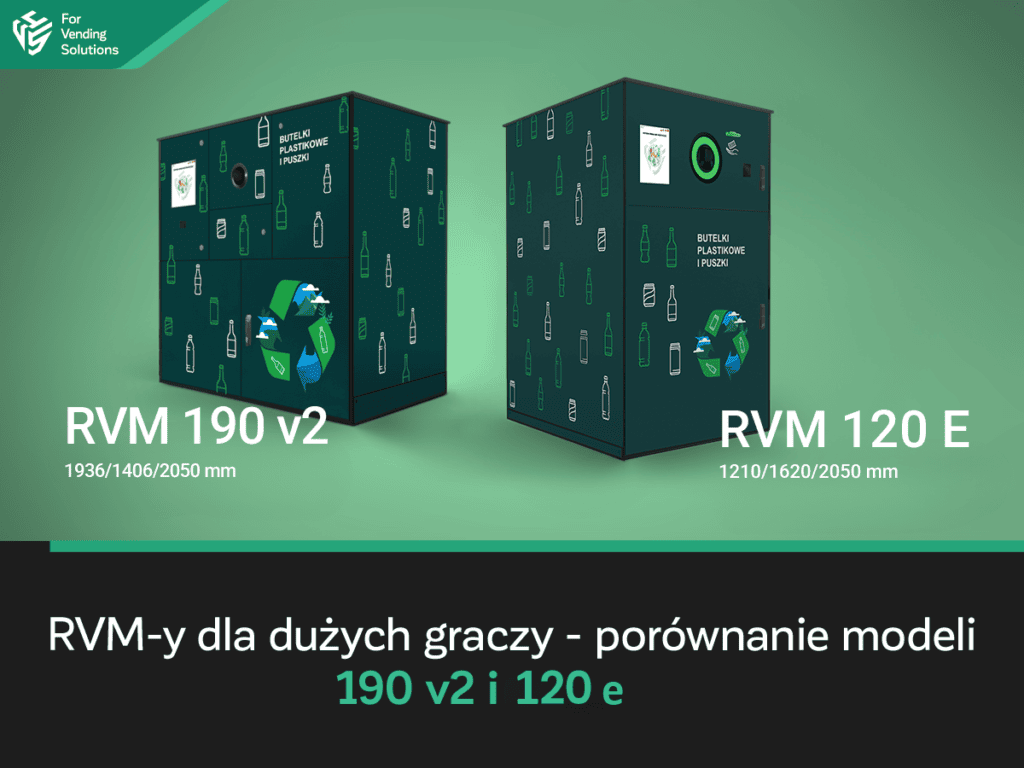
RVM190 v2 or RVM120Epsilon? A Model Comparison
Compare solutions for locations with high return volumes. Learn about the differences in
packaging storage, capacity and collection organization.

RVM75 or RVM125 v2? A Reverse Vending Machine Comparison
A compact model or greater capacity with two fractions? Compare the RVM75 and RVM125 v2 in terms of space requirements and expected return volumes.

The Deposit Return System in Municipalities: Costs and Benefits
How can you assess residents’ needs and the collection point budget? Learn about the importance of local data, operating costs and cooperation with an operator.

The Deposit Return System and the Education of Children and Young People
Ideas for practical activities about packaging labels, preparing containers for return and what happens to them next. Find out how to plan a visit to a collection point.

Reverse Vending Machines and Local Marketing
How can you promote a collection point? Find tips on signage, local communication channels and measuring promotional results.

Common Mistakes When Implementing the Deposit Return System
Machine selection, container handling, settlements and signage. Learn about organizational mistakes to avoid before opening a collection point.

Reverse Vending Machines and Consumer Habits
What encourages regular returns? Explore how location, machine availability, clear instructions and user support shape consumer habits.

New Recycling Technologies: From Collection to Processing
How do technologies support the different stages of packaging recovery? Learn about the role of identification, data, monitoring and material sorting.

Deposit Return System: Questions & Mistakes
Do customers need a receipt? Why might a machine reject a package? Learn how to prepare for a return and get practical tips for users.

Modern Reverse Vending Machines: Which Features Should You Check?
Packaging identification, capacity and performance are key considerations. Find out what to check for monitoring, integrations and service support.

How to Prepare Staff to Operate the Deposit Return System
What should staff training cover? Learn about operating the machine, helping customers and following collection point procedures.

Environmental Benefits in Numbers: How to Assess the Benefits of Recycling
What do return figures and energy data tell us? Find out how to interpret the benefits of recycling and what collection figures alone cannot tell you.

What Happens to Packaging After It Is Returned to a Machine?
A return is only the beginning of a package’s journey. Learn about collection, transport, sorting and preparing bottles and cans for recycling.

Where Should You Place a Deposit Return Machine?
How can you choose a location that works for customers and staff? Learn more about access, technical requirements, space for handling and collection logistics.

A Deposit Return Machine for a Shop: Benefits and Choosing a Model
When can a machine make in-store collection more efficient? Learn how to choose a model based on available space, return volumes and operating arrangements.
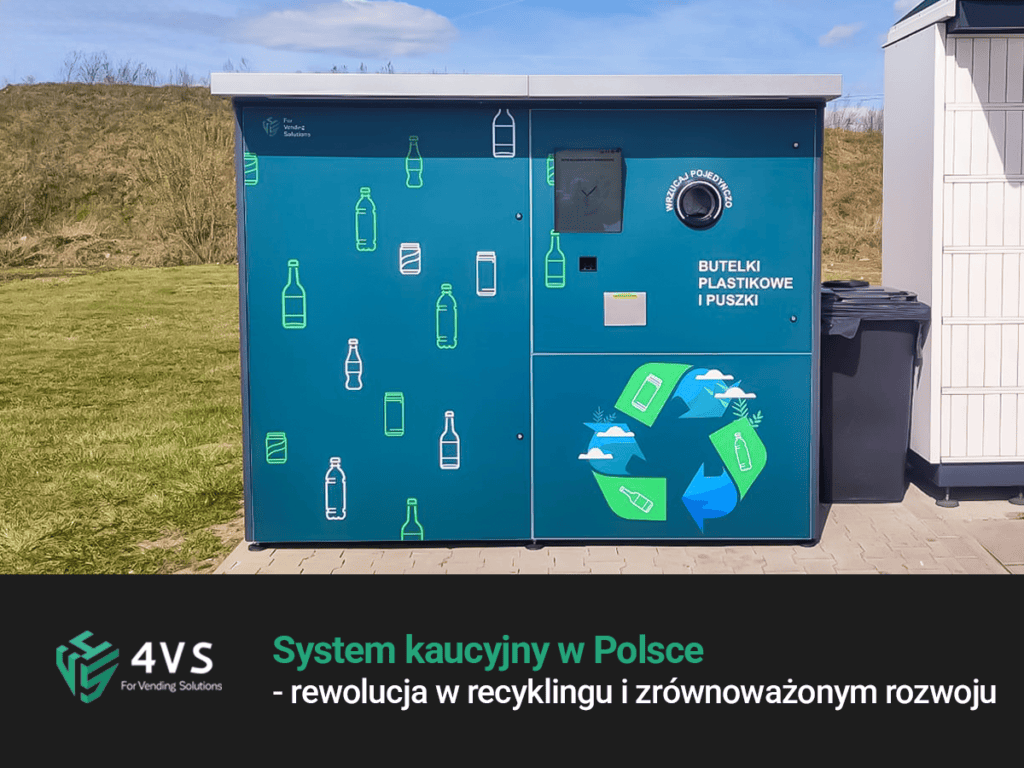
The Deposit Return System in Poland: Rules and Eligible Packaging
How does the deposit work, and which packages are covered by the system? Learn the basic return rules and the role of collection points and reverse vending machines.

Deposit Return Systems in Europe: How Does Poland Compare?
Compare the rules and results of deposit return systems in Poland, Austria and Norway. Find out what to consider when interpreting return data.

How Does a Deposit Return Machine Work? The Return Process Step by Step
From inserting a package to completing a return, learn how the machine identifies and accepts it and processes the deposit refund.